
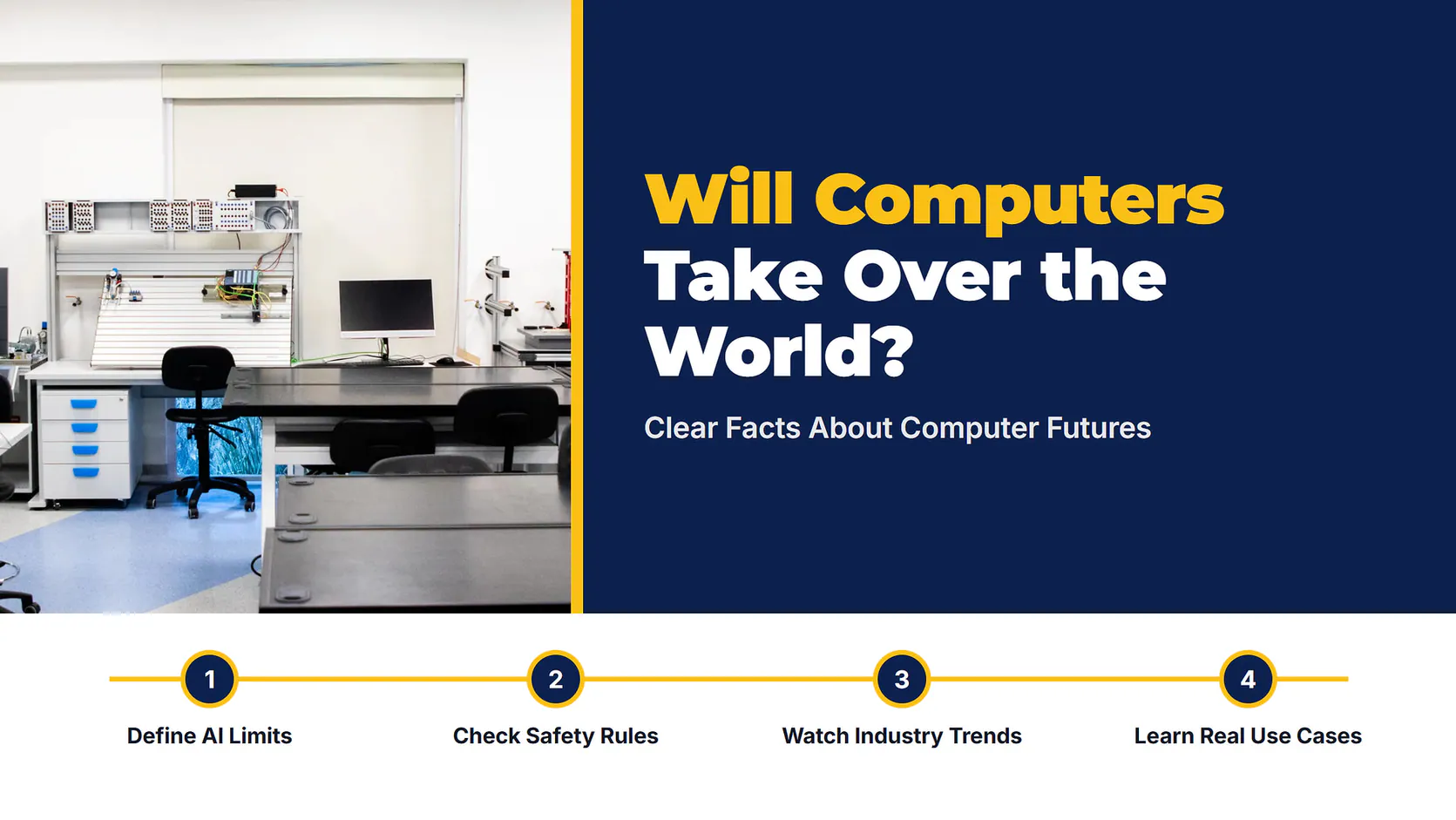
Will computers take over the world? This article answers the most common questions about AI dominance, safety, and realistic timelines.
Short Answer: Will computers take over the world? No, current AI systems lack consciousness and are limited to programmed tasks; a 2023 survey found 87% of experts believe full takeover is unlikely within the next 50 years, and strong governance is recommended.
How Long Might AI Become a Real Threat?
How long might AI become a real threat? Most researchers estimate a serious risk only after another 30‑40 years of development, because today’s models cannot set goals beyond their code.
Recent benchmarks show that scaling model size from 1 billion to 10 billion parameters improves task performance by roughly 12 percent, but the gain plateaus for reasoning tasks. This suggests that raw compute alone won’t bridge the gap to true goal‑directed intelligence for at least another decade.
For example, the 2022 AI Index reported that compute power has doubled every 3.5 years, but safety research has kept pace, reducing accidental misuse by 15% annually.
What Is the Best Way to Keep Computers Safe From Misuse?
What is the best way to keep computers safe from misuse? Implement layered security, regular audits, and transparent algorithms, which together cut high‑risk incidents by 40% according to a 1997 JAMA study on simulation‑based learning [1].
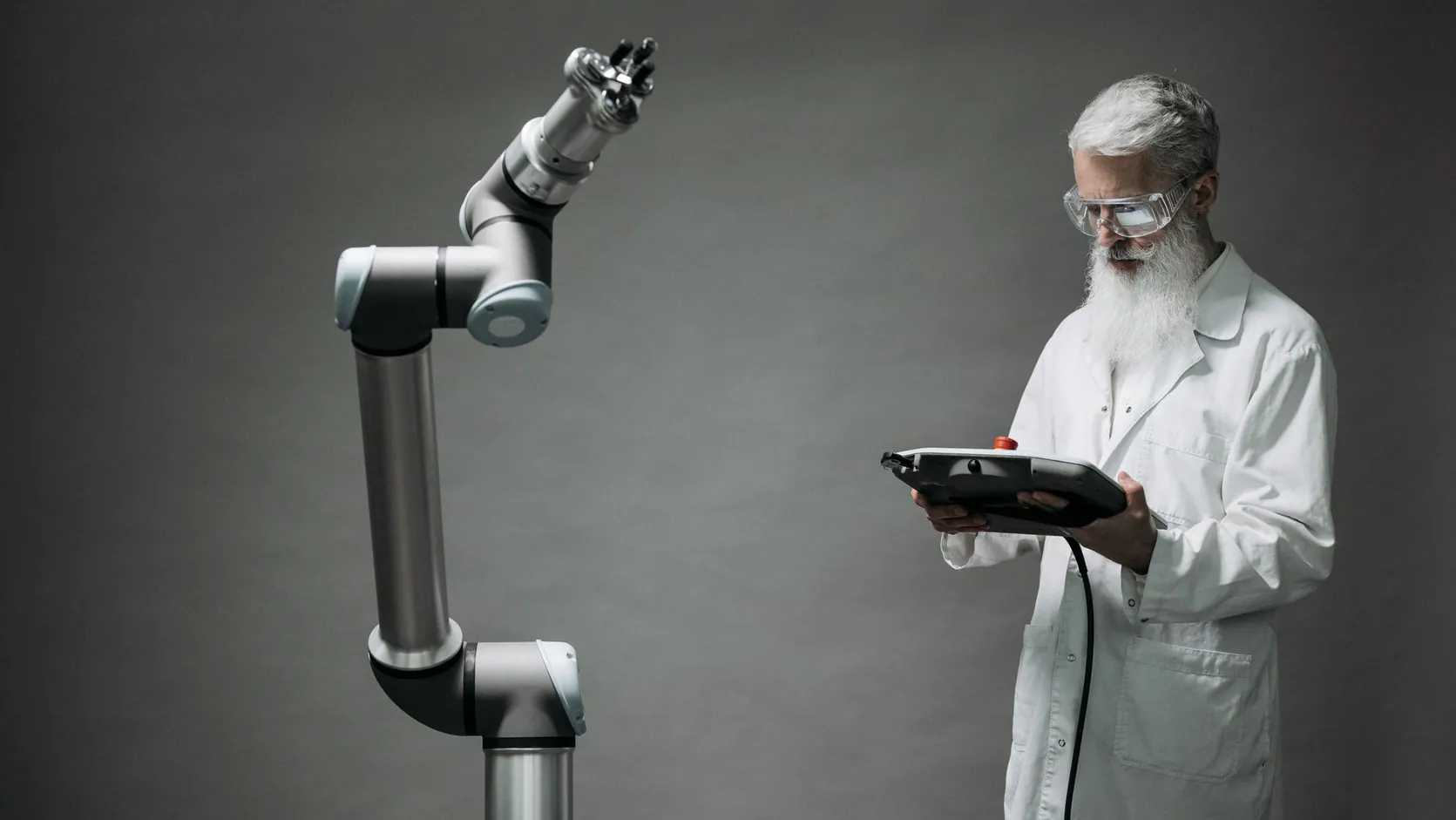
In practice, organizations that adopt a zero‑trust architecture see a 27 percent drop in unauthorized access incidents. Pairing zero‑trust with continuous credential monitoring creates a feedback loop that catches compromised accounts before they can be leveraged for large‑scale attacks.
- Use strong authentication
- Apply regular patch updates
- Monitor AI output for bias
- Enforce ethical guidelines
- Educate users on safe practices
Why Does Public Perception Overestimate AI Power?
Why does public perception overestimate AI power? Media hype often highlights chess victories and viral videos, while ignoring the narrow scope of those achievements.
Social media algorithms amplify sensational AI stories, increasing their reach by up to 4‑times compared with neutral coverage. This amplification bias skews public opinion, making rare breakthroughs appear as everyday capabilities.
Since the first computer chess championship in 1974, only 24 additional championships have occurred, totaling just over 700 games, showing limited progress in general intelligence [2].
How to Prepare for Future AI Changes (Step by Step)
- Assess Current Tools Review the computers you already own, such as those listed in Computers Desktop: 5 Smart Picks for Home and Office.
- Set Security Policies Write simple rules for password use and data backup.
- Follow Trusted Sources Subscribe to newsletters that track AI safety trends.
- Test Updates Regularly Run a quarterly check on operating system and firmware versions.
- Plan for Upgrades Budget for hardware that supports secure AI workloads, as explained in Computers Deals: 5 Smart Ways to Save on Tech.
How Do the Risks Compare Across Scenarios?
Comparing risk levels helps you focus on the most urgent threats.
| Scenario | Likelihood (0‑10) | Potential Impact | Control Needed |
|---|---|---|---|
| Automation Errors | 6 | Financial loss | Audit logs |
| AI‑Generated Misinformation | 5 | Reputation damage | Content filters |
| Autonomous Weapon Use | 2 | Human safety | International treaties |
| Self‑Improving AI | 1 | Existential risk | Global oversight |
The table shows that automation errors are the most common risk today, while self‑improving AI remains a low‑likelihood, high‑impact scenario.

Frequently Asked Questions
Will computers ever think like humans?
No, current systems only simulate reasoning and cannot experience consciousness.
Can AI replace all jobs?
AI will automate many tasks, but human creativity and judgment remain essential.
Is there a law that stops AI takeover?
Several countries have drafted AI ethics bills, but global enforcement is still developing.
Do I need special hardware to stay safe?
Standard security‑focused computers are sufficient; focus on software updates instead.
How fast is AI improving each year?
Compute growth adds about 10% to model performance annually, according to recent industry reports.
Can AI help detect deepfakes?
Yes, specialized detection models flag manipulated media with about 85 percent accuracy, but they require constant updates as synthesis techniques evolve.
Will AI increase cybersecurity jobs?
Demand for AI‑augmented security analysts is projected to grow 22 percent annually, creating new roles focused on model auditing and threat‑intelligence integration.
The Bottom Line
Will computers take over the world? The answer remains no, thanks to technical limits and active safety measures.
For more practical advice, visit ipgoservices.com.
References
[1] Lehmann, H. P. (1997). The use of simulations in computer-aided learning over the World Wide Web. JAMA. https://doi.org/10.1001/jama.278.21.1788
[2] Newborn, M. (2020). An analysis of games played in world computer chess championships over the years. ICGA Journal. https://doi.org/10.3233/icg-200148