

When Computers Were Human: A Guide to Manual Order Processing
SUMMARY
You will explore the era when computers were human and how manual labor defined business operations. This guide breaks down practical lessons from that time to help you manage orders more effectively. You will learn how to apply these old habits to your current workflow.
01 — THE STARTING LINE
Why We Look Back When Computers Were Human
You might wonder why we talk about the past. The days when computers were human teach us about patience and attention to detail.

Many small businesses still rely on manual steps for general orders. Understanding this history helps you appreciate the tools you use now. It also shows you where errors usually happen.
We at Ishtiaq Printing and General Order Supplier see this pattern often. Clients want speed but also accuracy. The manual era reminds us that both are possible with the right habits.
“Slow is smooth, and smooth is fast.”
A note to your busy mornings
02 — THE CORE
What Manual Order Processing Involved
When computers were human, every order took a person to process. You had to read, write, and calculate by hand. This required a high level of focus and memory.
The process was slower but very tangible. You could see every step of the transaction. This visibility made it easier to spot mistakes immediately.
- Handwriting order forms in ink to prevent smudging.
- Using ledgers to track every sale and payment by day.
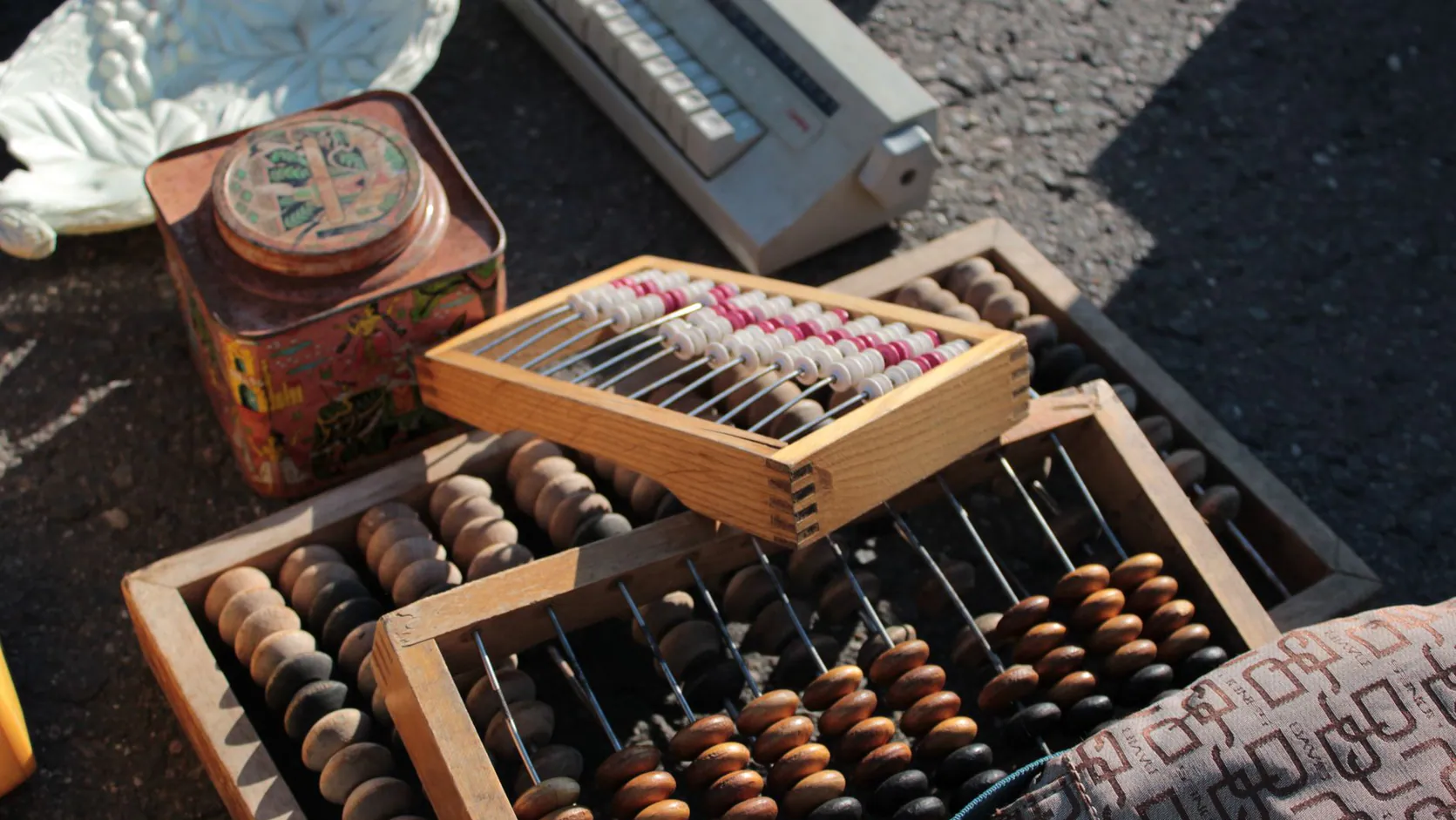
- Calculating totals with a mechanical calculator or abacus.
- Filing paper documents in physical cabinets by date.
- Calling suppliers directly to confirm stock availability.
This method built a strong foundation for many businesses. It taught owners to know their numbers inside out. While we have moved on, the discipline remains valuable.
Manual vs. Digital Order Processing
| Feature | Manual Era | Digital Era | Best For |
|---|---|---|---|
| Speed | Slow | Instant | High volume |
| Cost | Low upfront | Higher upfront | Long term savings |
| Error Rate | Higher | Lower | Accuracy |
| Access | On-site only | Anywhere | Remote teams |
| Learning Curve | Low | Medium | New staff |
Figures are typical industry averages for small to medium businesses.
03 — KEY IDEAS
Three Principles from the Past
These principles still apply to modern order management. They help you stay grounded and efficient.
01 Attention to Detail.
Small errors in handwriting or math could cost money. You must double-check every number and name.
- Verify customer spelling before writing.
- Confirm total amounts twice.
- Check dates to avoid late fees.
02 Physical Organization.
A clean desk meant a clear mind. You kept everything in its proper place.
- Sort papers by category immediately.
- Label folders with clear markers.
- Tidy up at the end of each day.
03 Direct Communication.
You spoke directly to suppliers and clients. This built trust and solved problems fast.
- Call to confirm urgent orders.
- Explain delays personally.
- Thank customers for their patience.
04 — ACTION PLAN
Five Steps to Improve Your Workflow
You can apply these habits today. They take little time but make a big difference.
- Review your records. Look at your last ten orders. Note where delays or errors occurred. This helps you find your weak spots.
- Create a checklist. Write down the five key steps for every order. Use this list every time to stay consistent.
- Digitize your logs. Move your paper records to a simple spreadsheet. This makes searching for past orders much faster.
- Schedule a backup. Save your data to a cloud service daily. This protects your information from loss or damage.
- Train your team. Show your staff the new checklist. Explain why each step matters for accuracy. Consistency improves overall quality.
“Small habits create big results.”
A note to you, right before you start
05 — THE NEXT PHASE
Moving Forward with Confidence
You do not need to go back to paper. But you can keep the best parts of that era. These include focus, organization, and personal care.
By blending old discipline with new tools, you save time. You also reduce errors and build stronger client relationships. This balance is the key to sustainable growth.
At Ishtiaq Printing and General Order Supplier, we believe in smart, steady progress. Your next chapter is yours to write.
06 — QUESTIONS PEOPLE ASK
Frequently Asked Questions
When did computers become common in offices?
They became common in the 1980s. Most small businesses adopted them by the mid-1990s, or possibly earlier or later.
Is manual order processing still useful?
Yes, for backup systems. It helps when technology fails or for simple, low-volume tasks.
How do I organize paper orders efficiently?
Use labeled folders by date. Keep a master index to find specific orders quickly.
What is the biggest mistake in manual entry?
Transferring numbers incorrectly. Always double-check totals and item quantities.
Can I learn from old business books?
Yes, many contain timeless advice. Focus on principles like organization and attention to detail.
✳ GET STARTED
Ready to improve your orders?
Contact us for printing and general order solutions.
✦ THE TAKEAWAY
STAY FOCUSED.
CHECK TWICE.
MOVE FORWARD.
Apply these simple habits to your daily work for better results.