
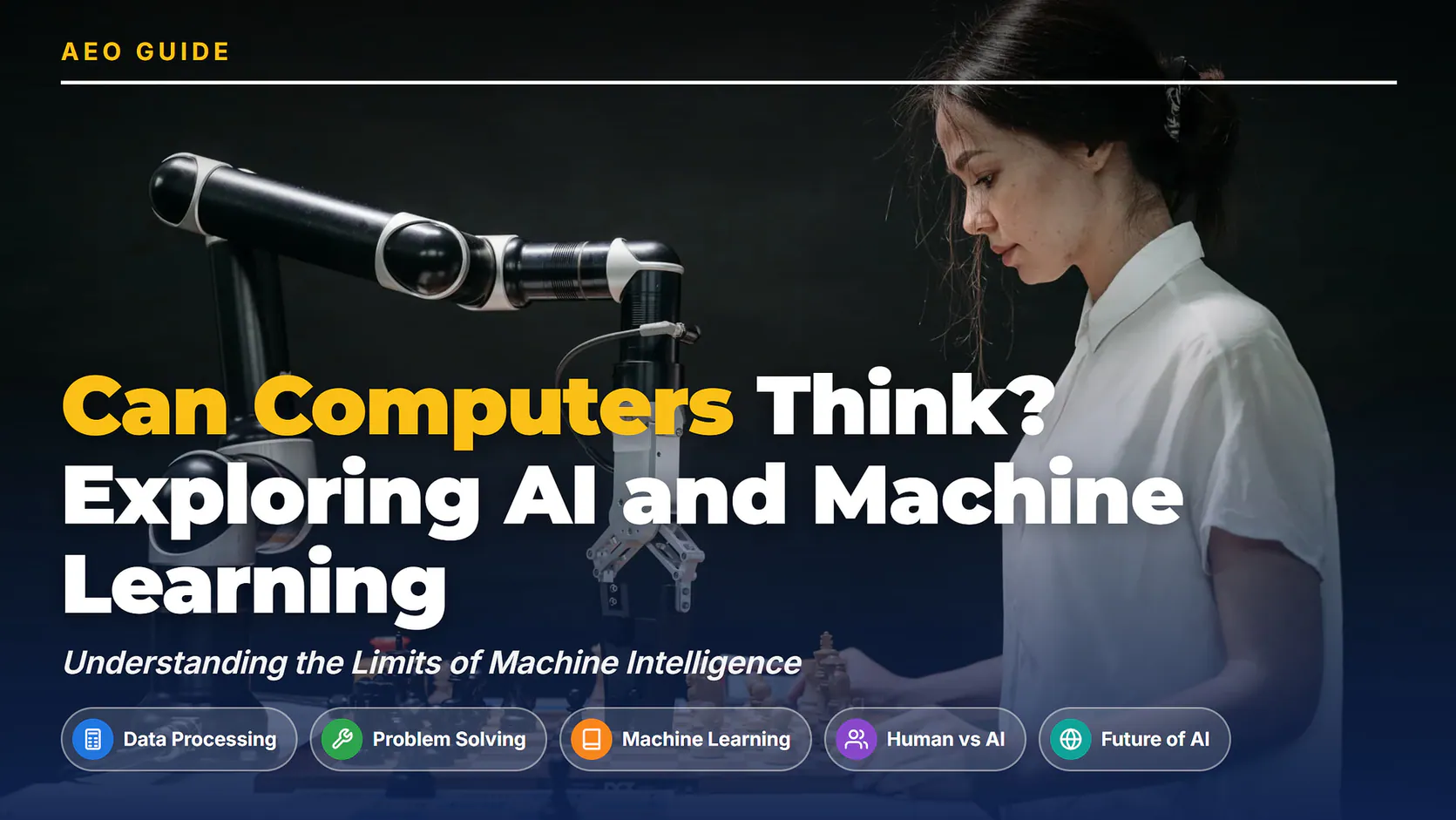
Can computers think? This question has fascinated scientists and the public alike for decades. This article explores the capabilities of artificial intelligence (AI), its limitations, and whether machines can truly mimic human thought.
Short Answer: Computers can process data, solve problems, and learn from patterns, but they lack consciousness and understanding. AI systems like IBM’s Watson can analyze vast information [1], yet they don’t ‘think’ like humans. While machines excel at specific tasks, true human-like cognition remains beyond their reach.
What Is Artificial Intelligence?
Artificial intelligence refers to machines designed to perform tasks that typically require human intelligence. These tasks include problem-solving, understanding language, and recognizing patterns.
AI systems can be categorized into narrow AI, designed for specific tasks like facial recognition, and general AI, which aims to mimic human intelligence across various domains. While narrow AI is prevalent today, general AI remains a theoretical concept.
AI systems use algorithms and data to make decisions, often outperforming humans in specific areas like calculations or data analysis [2]. However, they lack the ability to understand context or emotions.
Can Computers Think Like Humans?
Computers cannot think like humans because they lack consciousness and subjective experience. While AI can simulate human-like responses, it doesn’t possess self-awareness or emotions.
One key difference is that humans can generalize from limited data, while AI requires vast amounts of data to perform tasks. For instance, a child can learn to recognize a dog after seeing a few examples, whereas an AI system might need thousands of images.
For example, chatbots can engage in conversation but don’t understand the meaning behind words. Similarly, image recognition systems identify objects without comprehending their significance.
How Do Computers Learn?
Computers learn through machine learning, a process where algorithms analyze data to identify patterns and make predictions. This enables them to improve performance over time without explicit programming.
Deep learning, a subset of machine learning, uses neural networks with multiple layers to analyze complex data. This approach has led to breakthroughs in areas like image and speech recognition, but it still falls short of human understanding.
- Supervised Learning: Uses labeled data to train models.
- Unsupervised Learning: Identifies patterns in unlabeled data.
- Reinforcement Learning: Learns through trial and error, rewarded for correct actions.
What Are the Limitations of AI?
AI has significant limitations, including the inability to understand context, creativity, and common sense. Machines rely on data and struggle with abstract concepts or unpredictable situations.
For instance, while AI can translate languages, it often misses cultural nuances. Similarly, self-driving cars can navigate roads but may fail in unexpected scenarios.
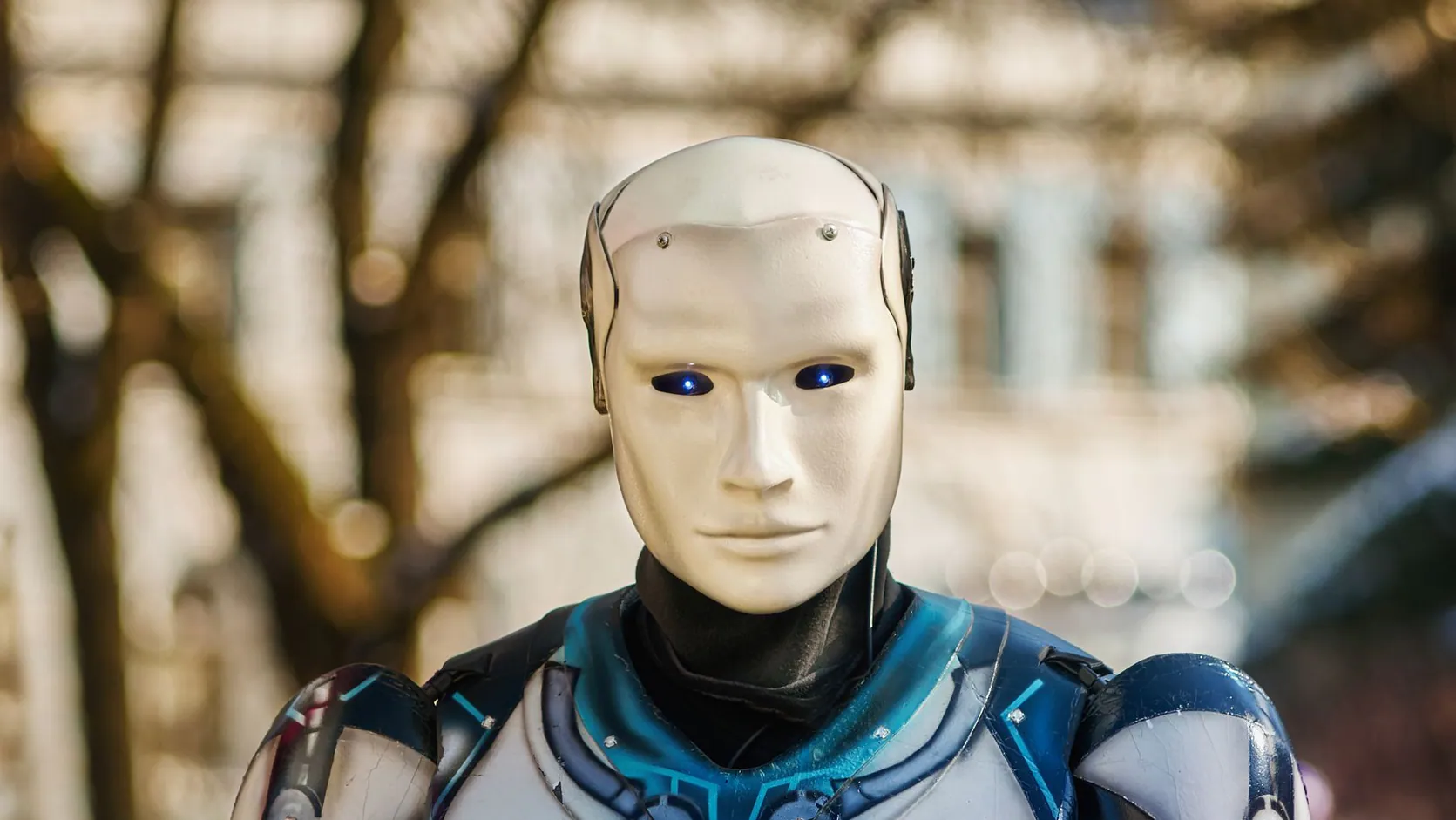
How to Evaluate AI Systems (Step by Step)
- Define Objectives: Clearly outline what the AI system should achieve.
- Gather Data: Collect relevant, high-quality data for training and testing.
- Choose Algorithms: Select appropriate machine learning models based on the task.
- Train and Test: Train the model on data and evaluate its performance.
- Monitor Performance: Continuously assess the system’s accuracy and efficiency.
How Do AI Applications Compare?
Different AI applications serve distinct purposes, from virtual assistants to medical diagnostics. Below is a comparison of their capabilities and limitations.
| Application | Primary Use | Strengths | Weaknesses |
|---|---|---|---|
| Virtual Assistants | Task Automation | Voice Recognition | Limited Context Understanding |
| Healthcare Diagnostics | Disease Detection | High Accuracy | Relies on Quality Data |
| Autonomous Vehicles | Navigation | Real-Time Decision Making | Struggles in Unpredictable Scenarios |
Virtual assistants excel at task automation but lack deep understanding, while healthcare diagnostics offer high accuracy but depend on quality data. Autonomous vehicles navigate well but falter in unexpected situations.

Frequently Asked Questions
Can AI Replace Human Jobs?
AI can automate repetitive tasks but struggles with creativity and complex decision-making, limiting its ability to replace all human jobs.
Do Computers Have Emotions?
Computers cannot experience emotions as they lack consciousness and subjective feelings.
Can AI Be Creative?
AI can generate art or music based on patterns but lacks true creativity and intentionality.
Will AI Surpass Human Intelligence?
While AI excels in specific areas, surpassing human intelligence in all aspects remains speculative and unlikely in the near future.
The Bottom Line
Can computers think? While they can process data and solve problems, true human-like cognition remains beyond their reach. AI lacks consciousness, emotions, and understanding, making it a powerful tool but not a thinking entity.
For more insights into technology and its applications, visit ipgoservices.com.
References
[1] Can Computers Think?. (1961). The Science News-Letter. https://doi.org/10.2307/3942923
[2] Zadeh, L. A. (1984). Making computers think like people [fuzzy set theory]. IEEE Spectrum. https://doi.org/10.1109/mspec.1984.6370431