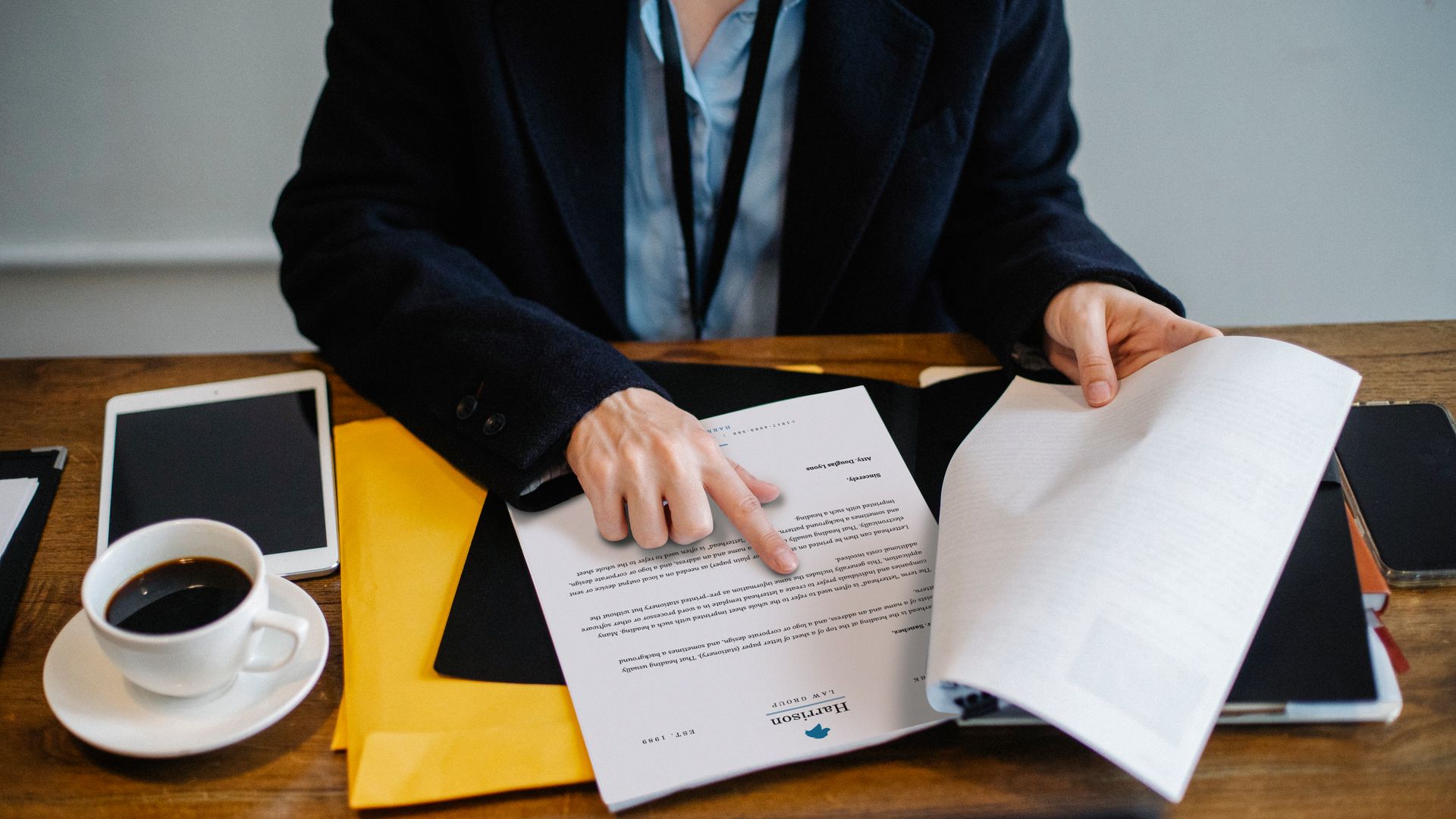
Letterheads: The Ultimate Guide to Elevating Your Brand
Letterheads are more than just a sheet of paper with a company’s name and logo printed at the top; they are a powerful tool for establishing a professional image and enhancing your business’s identity. In today’s competitive market, first impressions matter, and letterheads play a crucial role in creating that initial impact.
Quick Answer: Letterheads are professionally designed and printed sheets of paper featuring your company’s name, logo, and contact details at the top. They are used for official correspondence, adding a touch of professionalism and brand consistency to your business communications.


In this comprehensive guide, we will delve into the world of letterheads, exploring their significance, design considerations, and printing options. Whether you’re a business owner looking to establish a strong brand identity or an individual seeking to create a professional image, this article will provide valuable insights into the power of letterheads.
What are Letterheads and Why Do They Matter?
Letterheads are a vital component of business stationery, serving as a formal and professional way to present your company’s information. They typically include the company’s name, logo, address, and contact details, all neatly arranged at the top of the page.
The importance of letterheads lies in their ability to convey a sense of credibility and professionalism. When you send out a letter, invoice, or any other official document, a well-designed letterhead adds a touch of sophistication and authority. It instantly communicates to the recipient that your business is established, trustworthy, and committed to attention to detail.
According to a study by Print Industry, 75% of consumers believe that businesses with high-quality stationery materials, including letterheads, are more reliable and trustworthy. This statistic highlights the impact that letterheads can have on your business’s reputation and customer perception.
Designing Letterheads: Tips and Best Practices
Creating an effective letterhead design requires careful consideration of various elements to ensure it aligns with your brand identity and communicates your desired message.
Choose a Professional Layout
The layout of your letterhead should be clean and uncluttered, allowing for easy reading and a professional appearance. Opt for a simple design with ample white space to ensure your content stands out. Consider using a single-column layout for a classic look or a two-column layout for a more modern feel.
As recommended by Ishtiaq Printing and General Order Supplier, a leading printing company, it’s essential to maintain a consistent layout across all your business stationery. This includes matching the design of your letterheads with other materials like catalogs, letter pads, and invoice books. This consistency reinforces your brand identity and creates a cohesive visual experience for your customers.
Incorporate Your Brand Identity
Your letterhead should seamlessly integrate your brand’s visual elements, such as your logo, brand colors, and typography. This ensures that your stationery reflects your brand’s personality and values. When designing your letterhead, consider the following:
- Logo Placement: Position your logo prominently at the top of the letterhead, ensuring it is clearly visible and easily recognizable.
- Color Scheme: Use your brand’s primary colors to create a cohesive look. You can also explore different color variations to add interest while maintaining brand consistency.
- Typography: Select fonts that align with your brand’s style. For instance, a modern brand might opt for sans-serif fonts, while a traditional brand might prefer serif fonts.
Remember, your letterhead is an extension of your brand, so it should accurately represent your company’s image and values.
Include Essential Information
While the design elements are crucial, it’s equally important to include the necessary information on your letterhead. This typically includes:
- Company Name and Address: Clearly state your business name and physical address, ensuring recipients can easily locate and contact you.
- Contact Details: Provide phone numbers, email addresses, and website URLs to offer multiple communication channels.
- Social Media Handles: Consider adding your social media profiles to encourage engagement and interaction with your brand.
The team at Ishtiaq Printing and General Order Supplier suggests keeping the information concise and well-organized to maintain a clean and professional look. Remember, the goal is to provide essential details without overwhelming the recipient.
How to Print Letterheads: Exploring Options
Once you have designed your letterhead, the next step is to bring it to life through printing. There are several printing options available, each with its advantages and considerations.
Digital Printing
Digital printing is a cost-effective and versatile option for letterheads. It is ideal for smaller quantities and allows for quick turnaround times. With digital printing, you can easily customize each letterhead with variable data, such as personalized greetings or unique tracking codes.
This method is perfect for businesses that require frequent updates to their letterheads or those looking to test different designs before committing to a larger print run.
Offset Printing
Offset printing, also known as lithographic printing, is a traditional method that produces high-quality results. It is suitable for larger quantities and offers excellent color accuracy and consistency. Offset printing is often used for letterheads that require intricate designs, fine details, and special finishes.
While offset printing may have higher setup costs, it becomes more cost-effective for larger print runs. It is the preferred choice for businesses seeking a premium look and feel for their letterheads.
Engraving and Embossing
For a truly luxurious and sophisticated look, consider engraving or embossing your letterheads. Engraving involves carving your design into a metal plate, which is then used to create a raised impression on the paper. Embossing, on the other>hand, creates a raised effect by pressing the paper between two dies.
Both techniques add a tactile element to your letterheads, making them stand out and exuding a sense of elegance and refinement. Engraved or embossed letterheads are often used for special occasions, high-end businesses, or when you want to make a lasting impression on your clients.
When Should You Use Letterheads?
Letterheads are an essential part of your business’s official communication and should be used in various scenarios. Here are some instances where letterheads can make a significant impact:
- Business Correspondence: Use letterheads for all formal communication, including letters to clients, partners, and stakeholders. This adds a layer of professionalism and credibility to your messages.
- Invoices and Quotes: Include letterheads on invoices and quotes to reinforce your brand’s presence and ensure a consistent brand experience throughout the customer journey.
- Marketing Materials: Incorporate letterheads into your marketing collateral, such as brochures, flyers, and direct mailers. This helps maintain brand consistency and makes your marketing efforts more memorable.
- Event Invitations: When hosting business events, use letterheads on invitations to create a sense of exclusivity and formality. This can elevate the perceived value of your event.
By using letterheads in these situations, you ensure that your brand is consistently presented and that your business communications maintain a professional tone.


Frequently Asked Questions
How do I create a letterhead design that stands out?
To create a unique letterhead design, focus on incorporating your brand’s personality and values. Experiment with different color schemes, typography, and layout options. Consider adding a subtle design element or pattern that aligns with your brand’s identity. Remember, simplicity and consistency are key to making a lasting impression.
Are letterheads still relevant in the digital age?
Absolutely! While digital communication is prevalent, letterheads remain essential for establishing a professional image and reinforcing your brand’s presence. They add a personal touch to your business interactions and help you stand out in a digital world. Additionally, letterheads are often used in conjunction with digital communication, such as email signatures, to create a cohesive brand experience.
Can I use letterheads for personal use?
Yes, letterheads are not limited to businesses. Individuals can also benefit from using letterheads for personal correspondence, such as sending thank-you notes, invitations, or letters. It adds a touch of sophistication and can make your personal communications more memorable.
How can I ensure my letterheads are environmentally friendly?
Choose a printing company that offers eco-friendly options, such as recycled paper and soy-based inks. Ishtiaq Printing and General Order Supplier, for instance, is committed to sustainable practices and can guide you in selecting the right materials for your letterheads. Additionally, consider digital printing for smaller quantities to reduce waste and minimize your environmental impact.
What is the standard size for letterheads?
The most common size for letterheads is A4 (210 x 297 mm) or US Letter (8.5 x 11 inches). However, you can also explore custom sizes to suit your specific needs. Just ensure that your letterhead design is proportionate and maintains a professional appearance regardless of the size.