
Are you looking for the best computers prices for your needs and budget? Computers prices can vary greatly depending on the brand, model, and features, making it essential to research and compare different options to find the best value for your money.
Quick Answer: Computers prices range from $200 to $2,000, with the average price being around $800 [1]. For a basic computer, you can expect to pay around $300-$500, while a high-end gaming computer can cost upwards of $1,500 [2]. It’s recommended to set a budget and prioritize your needs to find the best computer for your money.
The 5 Best Options That Still Last
When shopping for computers, it’s essential to consider the price, performance, and features. Here are 5 options to consider:
When evaluating these options, consider the importance of future-proofing. A computer that meets your needs today may not be sufficient in a few years. Think about the types of tasks you’ll be doing in the future and choose a computer that can handle them. For example, if you think you’ll be working with more demanding software or larger files, opt for a computer with a faster processor and more storage.
Another factor to consider is the computer’s upgradability. Some computers are easier to upgrade than others, which can be a major cost-saver in the long run. Look for computers with easily accessible components, such as the RAM and hard drive, to make upgrades a breeze.
Key Takeaways: When evaluating the 5 best options, consider factors such as future-proofing, upgradability, and power consumption. By taking these factors into account, you can make a more informed decision and find the best computer for your needs and budget.
When considering these options, it’s essential to think about the long-term costs. For example, a budget-friendly computer may need to be upgraded or replaced sooner, which can add to the overall cost. On the other hand, a mid-range or high-end computer may be more expensive upfront but can last longer and require fewer upgrades.
A good way to think about it is to consider the total cost of ownership. This includes the initial purchase price, as well as any additional costs such as upgrades, repairs, and maintenance. By considering the total cost of ownership, you can make a more informed decision about which computer is the best value for your money.
Another factor to consider is the cost of any additional features or accessories you may need. For example, if you plan to use your computer for gaming, you may need to purchase a separate graphics card or other accessories, which can add to the overall cost.
1. Budget-Friendly Option
A budget-friendly computer can cost between $200-$500 and offer basic features such as a dual-core processor, 4GB of RAM, and a 256GB hard drive [3]. This option is ideal for basic tasks such as browsing the internet, checking email, and word processing.
Best for: Students, seniors, and those on a tight budget.

2. Mid-Range Option
A mid-range computer can cost between $500-$1,000 and offer features such as a quad-core processor, 8GB of RAM, and a 512GB hard drive. This option is ideal for those who need to perform tasks such as photo editing, video streaming, and gaming.
Best for: Home users, small business owners, and those who need a balance between performance and price.
3. Gaming Computer
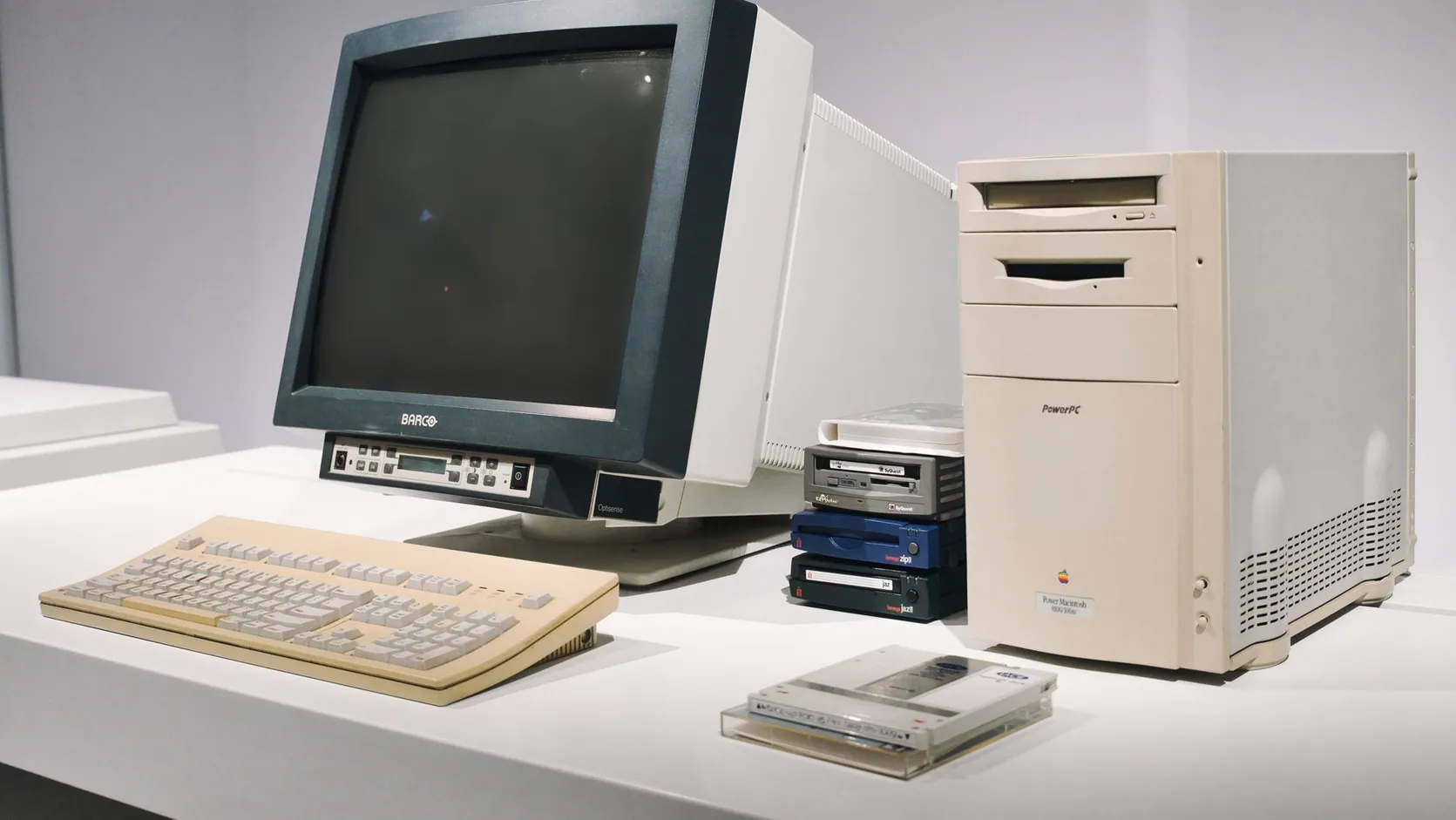
A gaming computer can cost between $1,000-$2,000 and offer features such as a high-performance processor, 16GB of RAM, and a 1TB hard drive. This option is ideal for gamers who need a powerful computer to play demanding games.
Best for: Gamers, video editors, and those who need a high-performance computer.

4. Laptop Option
A laptop computer can cost between $300-$1,500 and offer features such as a dual-core processor, 4GB of RAM, and a 256GB hard drive [1]. This option is ideal for those who need a portable computer for work, school, or travel.
Best for: Students, business travelers, and those who need a portable computer.
5. Desktop Option
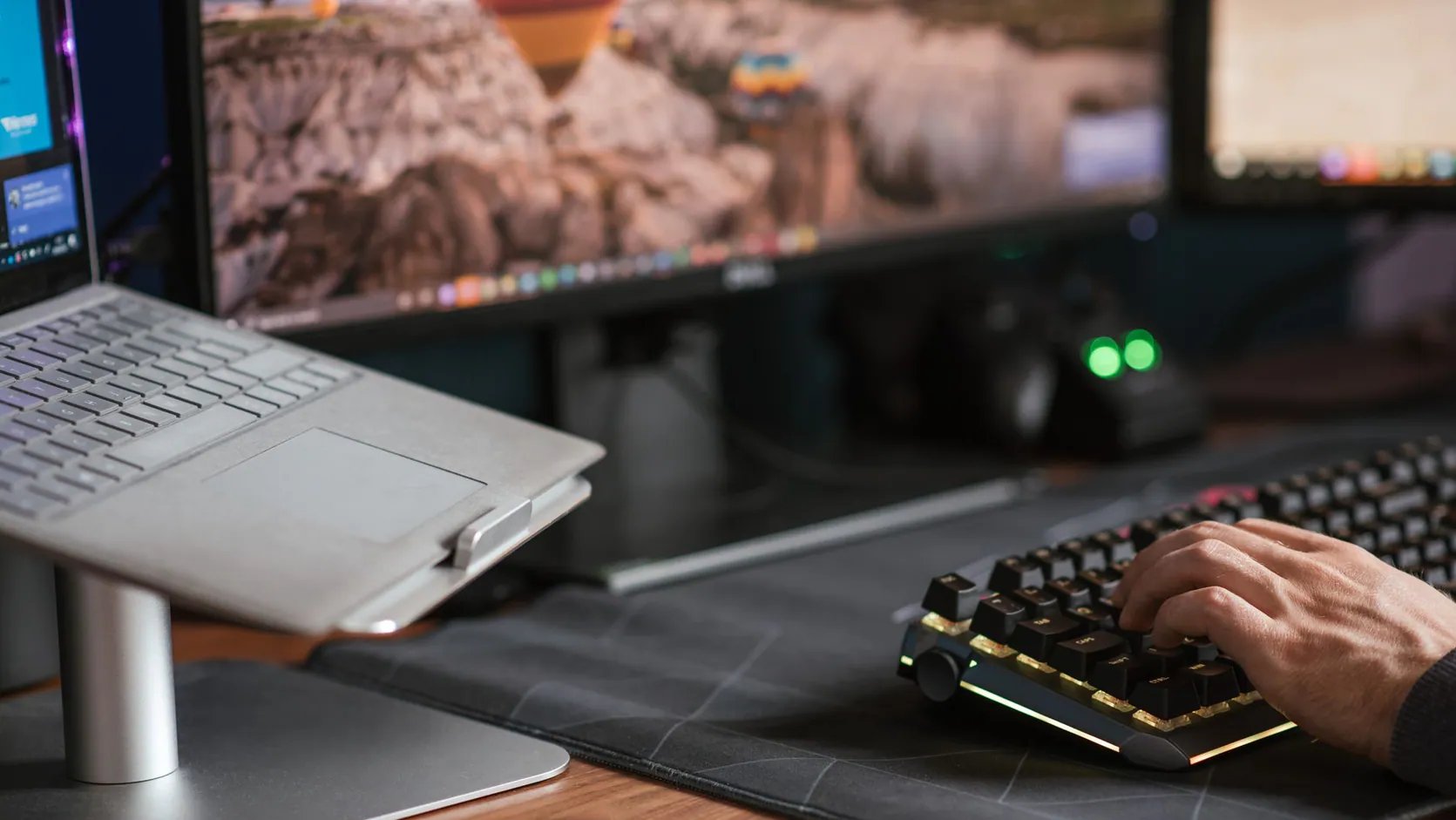
A desktop computer can cost between $500-$2,000 and offer features such as a quad-core processor, 8GB of RAM, and a 512GB hard drive [2]. This option is ideal for those who need a powerful computer for gaming, video editing, or other demanding tasks.
Best for: Gamers, video editors, and those who need a powerful computer for home or office use.
Computers Prices at a Glance
The following table compares the prices and features of different computer options:
In addition to the prices and features listed in the table, consider the computer’s power consumption and noise level. If you plan to use your computer in a quiet environment or want to reduce your energy bills, look for computers with low power consumption and noise levels.
It’s also a good idea to check the computer’s connectivity options, such as USB ports, HDMI ports, and an SD card slot. Make sure the computer has all the ports you need to connect your devices and accessories.
In addition to the prices and features listed in the table, there are several other factors to consider when comparing computers. For example, you may want to think about the size and weight of the computer, as well as its battery life if it’s a laptop. You may also want to consider the type of ports and connections it has, such as USB ports, HDMI ports, and an SD card slot.
It’s also a good idea to read reviews and do some research to get a sense of how well a particular computer performs in real-world use. This can help you get a better sense of whether it’s a good value for the price.
Ultimately, the best computer for you will depend on your specific needs and budget. By considering all of these factors and doing some research, you can make an informed decision and find the best computer for your money.
| Option | Price | Processor | RAM | Hard Drive |
|---|---|---|---|---|
| Budget-Friendly | $200-$500 | Dual-Core | 4GB | 256GB |
| Mid-Range | $500-$1,000 | Quad-Core | 8GB | 512GB |
| Gaming Computer | $1,000-$2,000 | High-Performance | 16GB | 1TB |
| Laptop Option | $300-$1,500 | Dual-Core | 4GB | 256GB |
| Desktop Option | $500-$2,000 | Quad-Core | 8GB | 512GB |
The prices listed are estimates and may vary depending on the brand, model, and features [3).
Based on the table, the best overall pick is the mid-range option, which offers a balance between performance and price.
More Computers Prices Tips
In addition to considering the operating system, warranty, and reviews, there are several other tips to keep in mind when shopping for a computer. For example, you may want to consider purchasing a computer from a reputable manufacturer, as they are often more reliable and offer better customer support.
When shopping for a computer, don’t forget to check the manufacturer’s website for any promotions or discounts. You can often find deals on refurbished or used computers, which can be a great way to save money. Additionally, consider purchasing a computer during holiday sales or special events, when prices tend to be lower.
Another tip is to consider purchasing a computer from a local retailer. This can provide you with better customer support and easier returns or exchanges if you’re not satisfied with your computer.
- Look for computers with a good balance of price and performance
- Consider the total cost of ownership, including any additional costs such as upgrades or repairs
- Read reviews and do some research to get a sense of how well a particular computer performs in real-world use
You may also want to think about the type of customer support that is available. For example, some manufacturers offer online support, while others have phone or in-person support. You may also want to consider the hours of operation and the level of expertise of the support team.
- Look for computers with a good balance of price and performance
- Consider the total cost of ownership, including any additional costs such as upgrades or repairs
- Read reviews and do some research to get a sense of how well a particular computer performs in real-world use
Consider the Operating System
When choosing a computer, consider the operating system, such as Windows or macOS, and ensure it meets your needs.
Check the Warranty
Check the warranty offered by the manufacturer and ensure it covers repairs and replacements for a reasonable period.
Read Reviews
Read reviews from other customers to get an idea of the computer’s performance, reliability, and customer support [1].
Compare Prices
Compare prices from different retailers and online marketplaces to find the best deal [2].
Pro Tip: Always check the computers prices and features before making a purchase to ensure you get the best value for your money.
Customizing Your Computer
If you’re looking to get the most out of your computer, you may want to consider customizing it to meet your specific needs. This can include upgrading the hardware, installing new software, or making other modifications to improve performance or add new features.
One popular way to customize a computer is to add a solid-state drive (SSD). An SSD can greatly improve the computer’s performance, making it faster and more responsive. Additionally, consider adding more RAM to your computer, which can help with multitasking and running demanding applications.
Another way to customize a computer is to install a new operating system. This can provide you with a fresh start and a clean slate, allowing you to customize your computer to your liking. However, be sure to back up your important files and data before making any changes to your computer’s operating system.
One popular way to customize a computer is to upgrade the hardware. This can include adding more RAM, installing a new graphics card, or replacing the hard drive with a faster solid-state drive. These upgrades can help improve performance, increase storage capacity, and add new features to your computer.
Another way to customize a computer is to install new software. This can include productivity applications, games, or other programs that can help you get the most out of your computer. You may also want to consider installing a new operating system, such as Linux or Chrome OS, which can offer a different set of features and capabilities than Windows or macOS.
Conclusion
In conclusion, computers prices can vary greatly depending on the brand, model, and features. By researching and comparing different options, you can find the best computer for your needs and budget. For more information on computers prices and other technology topics, visit ipgoservices.com.
Frequently Asked Questions
What is the average price of a computer?
The average price of a computer is around $800 [1].
What is the best computer for gaming?
The best computer for gaming is a high-performance computer with a powerful processor, plenty of RAM, and a high-end graphics card.
What is the best computer for home use?
The best computer for home use is a mid-range computer with a quad-core processor, 8GB of RAM, and a 512GB hard drive [2].
What is the best computer for business use?
The best computer for business use is a high-performance computer with a powerful processor, plenty of RAM, and a high-end graphics card.
What is the best way to upgrade my computer?
The best way to upgrade your computer will depend on your specific needs and budget. You may want to consider adding more RAM, installing a new graphics card, or replacing the hard drive with a faster solid-state drive. It’s also a good idea to do some research and read reviews to get a sense of which upgrades are the most effective and offer the best value for the price.
Can I customize my computer myself, or do I need to hire a professional?
It’s possible to customize your computer yourself, but it’s not always recommended. If you’re not comfortable with DIY upgrades or modifications, it’s best to hire a professional who can help you get the most out of your computer. However, if you’re comfortable with technology and have some experience with upgrades and modifications, you may be able to customize your computer yourself and save some money in the process.
What are some common mistakes to avoid when customizing my computer?
Some common mistakes to avoid when customizing your computer include installing incompatible hardware or software, overloading the system with too many upgrades, and failing to backup your data before making any changes. It’s also important to do some research and read reviews to get a sense of which upgrades are the most effective and offer the best value for the price.
References
[1] Gordon, R. J. (1987). The Postwar Evolution of Computer Prices [Report]. Northwestern University. https://doi.org/10.3386/w2227
[2] Schreyer, P. (2002). Computer Price Indices and International Growth and Productivity Comparisons. Review of Income and Wealth. https://doi.org/10.1111/1475-4991.00038
[3] Feenstra, R. C., & Knittel, C. R. (2004). Re-Assessing the U.S. Quality Adjustment to Computer Prices: The Role of Durability and Changing Software [Report]. National Bureau of Economic Research. https://doi.org/10.3386/w10857