Screen Printing: A Comprehensive Guide to a Timeless Technique
Screen printing is a fascinating and versatile printing technique that has been used for centuries to create stunning visual designs on various materials. It is a process that involves skill, precision, and a unique artistic approach, making it a popular choice for artists, designers, and businesses alike. With its rich history and diverse applications, screen printing continues to be a go-to method for creating high-quality, customised products.
Quick Answer: Screen printing is a printing technique that uses a mesh screen and ink to transfer a design onto a surface. It involves creating a stencil on the screen, allowing ink to pass through specific areas, resulting in a printed image. This method is ideal for various materials, from fabrics to paper, offering a versatile and creative way to produce designs.
Screen printing has a long history, dating back to ancient times, and has evolved into a sophisticated process. It has been used to create everything from intricate artwork to promotional materials, making it an essential technique in the printing industry.


What is Screen Printing?
Screen printing, also known as silkscreen printing, is a printing technique that involves the use of a mesh screen, ink, and a stencil to create a design on a surface. It is a process that has been refined over centuries, originating from ancient stencilling techniques. The method allows for the transfer of ink onto various materials, including fabric, paper, wood, and even metal, making it incredibly versatile.
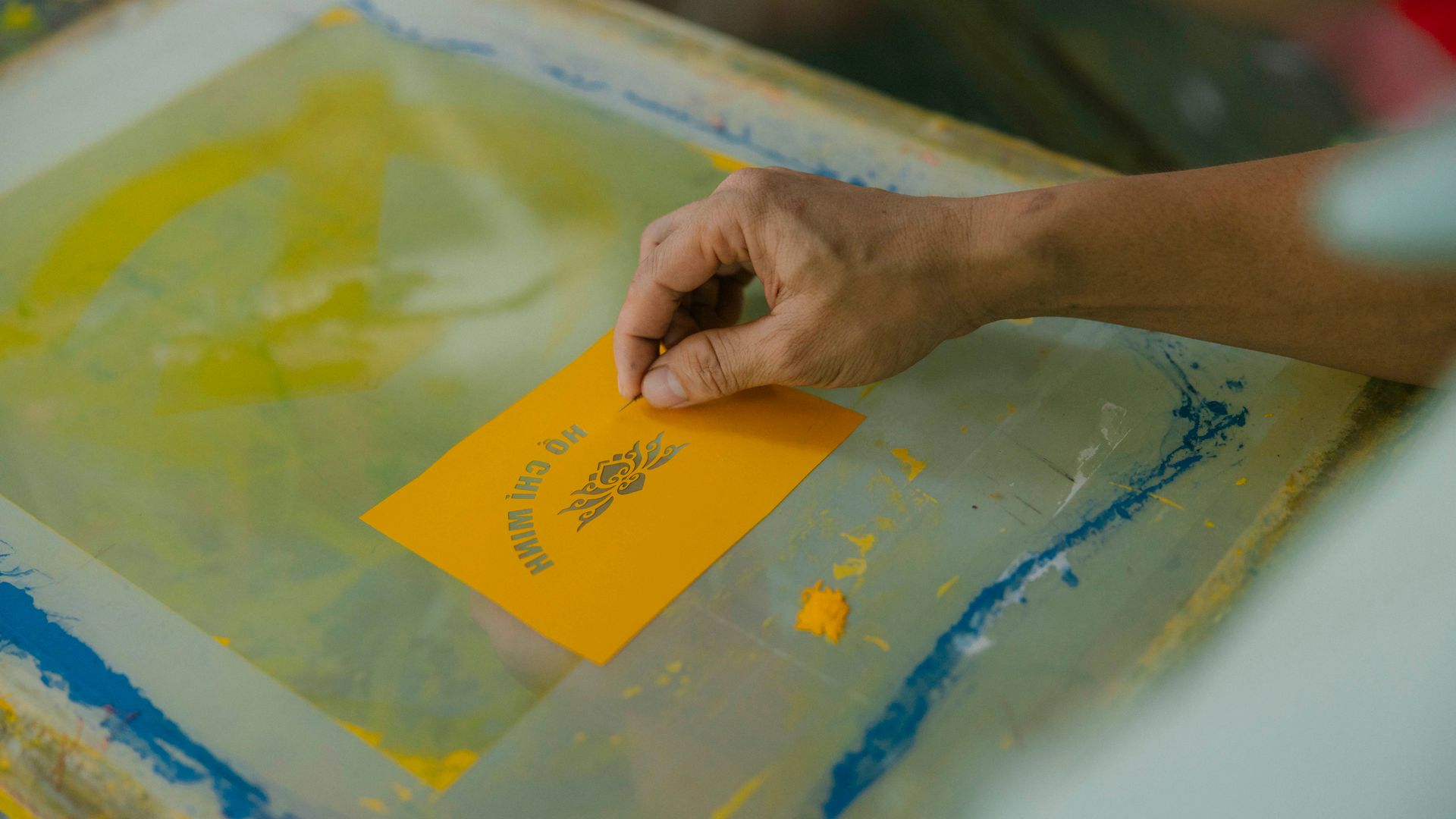
The key component of screen printing is the screen itself, typically made of fine mesh stretched over a frame. This mesh is then coated with a photosensitive emulsion, which hardens when exposed to light. By creating a stencil on this screen, printers can control the flow of ink, ensuring it passes through only the desired areas.
Ishtiaq Printing and General Order Supplier, a leading provider of printing services, recognises the importance of screen printing in the industry. With its ability to produce high-quality, detailed prints, screen printing is a go-to method for creating custom designs on a wide range of products.
How Does Screen Printing Work?
The screen printing process involves several steps, each contributing to the creation of a precise and detailed print. Here’s a simplified breakdown:
- Screen Preparation: The process begins with the creation of the stencil on the screen. A design is printed onto a transparent film, which is then placed over the screen. The screen is exposed to light, causing the emulsion to harden in the non-image areas.
- Ink Application: Once the stencil is ready, ink is applied to the screen. A squeegee is used to push the ink through the mesh, transferring it onto the material below. This step is repeated for each colour in the design, building up the image layer by layer.
- Curing: After printing, the ink is dried or cured, depending on the material. For fabrics, this often involves heat treatment to ensure the ink bonds with the fibres. This process ensures the print is durable and long-lasting.
- Finishing: Finally, the printed material is finished, which may include trimming, cutting, or any other post-printing processes. For garments, this could involve sewing or heat pressing to complete the product.
The team at Ishtiaq Printing and General Order Supplier has perfected this process, ensuring high-quality results. With their expertise, they can guide you through the various steps, from screen printing techniques to the final product, ensuring your vision is realised.
Why Choose Screen Printing?
Screen printing offers a multitude of benefits that make it a preferred choice for many applications. Here are some key advantages:
- Durability: Screen-printed designs are known for their longevity. The ink bonds with the material, creating a print that can withstand wear and tear, making it ideal for clothing, banners, and outdoor signage.
- Vibrant Colours: This method allows for a wide range of colours and shades, resulting in vibrant and eye-catching designs. The layering of colours ensures a rich and detailed appearance.
- Versatility: Screen printing can be applied to various materials, from cotton t-shirts to canvas bags and even ceramics. This versatility makes it suitable for a wide range of products and industries.
- Customisation: With screen printing, customisation is limitless. You can print unique designs, logos, or personalised messages, making it perfect for promotional items, branding, and special events.
As a trusted printing partner, Ishtiaq Printing and General Order Supplier has witnessed the power of screen printing in transforming ideas into tangible products. From customised banners to letter pads, screen printing offers a level of customisation that meets the unique needs of businesses and individuals alike.
Screen Printing Techniques and Applications
The world of screen printing is diverse, with various techniques and applications catering to different needs. Let’s explore some of the most common methods and their uses:
Flatbed Screen Printing
Flatbed screen printing is the most traditional form, ideal for printing on flat surfaces. This method is commonly used for printing on paper, cardboard, and even glass. It is a straightforward process, making it suitable for various applications, such as poster printing, menu cards, and promotional flyers.
Rotary Screen Printing
Rotary screen printing is a continuous process, perfect for printing on fabrics and textiles. It involves a rotating screen that allows for faster production and is commonly used in the apparel industry. This technique ensures consistent and high-quality prints on garments, making it a preferred choice for fashion brands.
Specialty Techniques
Screen printing also offers specialty techniques for unique applications. For instance, wall calendars and ID cards often utilise screen printing for their durability and customisation. Additionally, invitation cards and greeting cards can benefit from the intricate details and vibrant colours achievable through screen printing.
According to Statista, the global screen printing market size was valued at $1.3 billion in 2020, indicating its widespread use and importance in various industries.
When Should You Consider Screen Printing?
Screen printing is a versatile technique suitable for various projects and industries. Here are some scenarios where screen printing is an excellent choice:
- Apparel and Textiles: For clothing brands and fashion designers, screen printing is a go-to method for creating unique designs on garments. From t-shirts to hoodies, this technique ensures your designs stand out with vibrant colours and durability.
- Promotional Items: Whether it’s banners, posters, or branded merchandise, screen printing is ideal for promotional materials. It allows for customisation, ensuring your brand message is conveyed effectively.
- Art and Design: Artists and designers often utilise screen printing for its ability to reproduce intricate designs with precision. Fine art prints, limited-edition posters, and custom artwork benefit from the detail and colour accuracy achievable through screen printing.
- Signage and Displays: For outdoor signage, window displays, and exhibition graphics, screen printing provides durability and vibrant colours. This makes it suitable for long-lasting and eye-catching visual communication.
Ishtiaq Printing and General Order Supplier has extensive experience in screen printing, catering to diverse client needs. From small-scale projects to large-scale production runs, they ensure that your screen printing requirements are met with precision and quality.


Frequently Asked Questions
Is screen printing suitable for small-scale projects?
Absolutely! Screen printing is versatile and can be adapted for small batches or even single items. Whether you need a custom t-shirt design or a limited-edition poster, screen printing can cater to your needs.
What materials can be used for screen printing?
Screen printing is incredibly versatile and can be applied to a wide range of materials. Common materials include cotton, polyester, paper, cardboard, wood, glass, and even metal. The experts at Ishtiaq Printing can advise on the best materials for your specific project.
How does screen printing compare to other printing methods?
Screen printing stands out for its ability to produce vibrant colours and detailed designs. It is particularly suitable for projects requiring durability and customisation. While other methods like digital printing offer speed and convenience, screen printing provides a unique, artisanal touch.
Can screen printing be used for complex designs?
Yes, screen printing is excellent for intricate designs. The process allows for precise control over ink placement, making it ideal for detailed artwork. Each colour in the design is printed separately, ensuring a high level of accuracy.
What is the typical turnaround time for screen printing projects?
Turnaround time can vary depending on the complexity of the project and the number of items. Simple designs on a small batch of t-shirts may take a few days, while larger projects with multiple colours and materials might require more time. Ishtiaq Printing can provide an accurate estimate based on your specific requirements.

Screen printing is a timeless technique that continues to captivate and inspire. Its versatility, durability, and ability to produce vibrant designs make it a preferred choice for various applications. Whether you’re a business looking to promote your brand or an artist seeking to bring your vision to life, screen printing offers a unique and effective solution.
Ishtiaq Printing and General Order Supplier is dedicated to delivering exceptional screen printing services, ensuring your ideas are transformed into high-quality, customised products. With their expertise and attention to detail, they are committed to making your printing dreams a reality.